How Much Does Water Damage Restoration Cost in Florida?
April 17, 2026
Water damage can happen without warning. Whether it’s a burst pipe, storm flooding, or appliance failure, homeowners often ask one important question: how much does water damage restoration cost in Florida?
At
DRYOUTpro PLUS, we understand that cost is a major concern. However, the total cost of water damage restoration varies depending on several factors. Because every situation is different, pricing can range from minor cleanup costs to more extensive repairs.
In this guide, we break down the
average cost of
water damage restoration, what affects pricing, and how you can reduce expenses.
KEY TAKEAWAYS
- Water damage restoration cost in Florida typically ranges from $1,200 to $7,500+
- The cost per square foot can range from $3 to $7, depending on the severity
- Factors like water type, damage extent, and materials affected impact pricing
- Water extraction, structural drying, and repairs all contribute to the total cost
- Insurance may cover water damage depending on the cause
Average Water Damage Restoration Cost in Florida
Understanding the average pricing helps homeowners prepare for unexpected damage. While costs vary, there are general estimates you can expect.
In Florida, the
average water damage restoration cost ranges between
$1,200 and $7,500. However, severe flooding or structural damage can push costs beyond
$10,000.
For smaller issues, such as minor leaks, cleanup may cost only a few hundred dollars. On the other hand, larger restoration projects require more equipment, labor, and time.
Additionally, the
water damage cleanup cost often depends on how quickly the issue is addressed. Acting quickly can significantly reduce overall costs.
Cost Per Square Foot for Water Damage Cleanup
Many homeowners ask how pricing is calculated. In most cases, restoration companies estimate costs based on the affected area.
The
water damage mitigation cost per square foot typically ranges from
$3 to $7. However, this can increase depending on the type of water and level of contamination.
For example, clean water damage costs less to restore. In contrast,
black water damage, such as
sewage backups, requires extensive sanitation and safety measures.
Additionally, larger spaces require more
drying equipment, dehumidification systems, and labor, which increases the total cost.
Factors That Affect Water Damage Restoration Cost
Water damage restoration is not one-size-fits-all. Several factors influence the final price. Understanding these factors can help you plan and avoid surprises.
Type of Water Damage
The type of water involved plays a major role in cost. Clean water is easier and cheaper to manage. However, gray water and black water require additional cleaning and safety procedures.
As a result, contaminated water damage significantly increases restoration costs.
Extent of Damage
The severity of the damage also impacts pricing. Minor leaks are easier to fix. However, extensive flooding has affected multiple areas and requires additional work.
The more materials that are damaged, the higher the cost.
Materials Affected
Different materials require different restoration methods. For example:
- Drywall absorbs water quickly
- Hardwood floors require careful drying
- Insulation often needs replacement
Because of this, repair vs replacement costs can vary widely.
Equipment and Labor
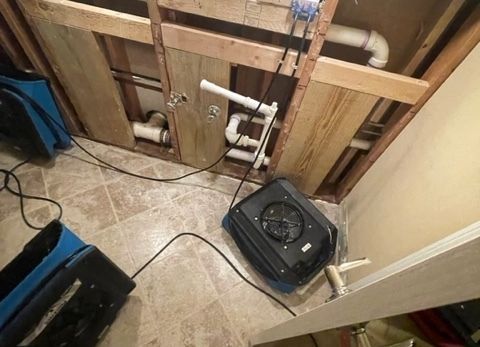
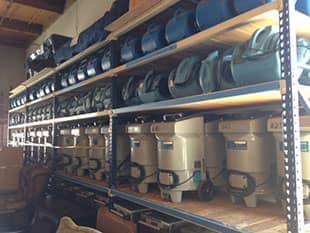
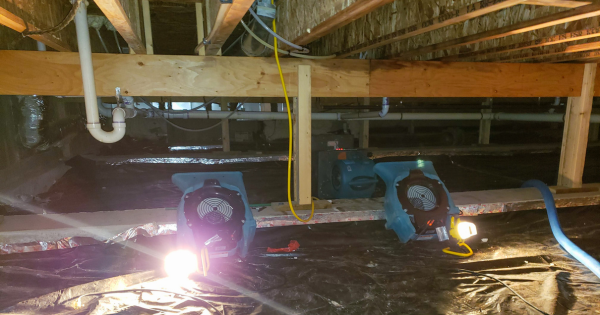
Professional restoration involves specialized equipment such as:
- industrial air movers
- commercial dehumidifiers
- moisture detection tools
These tools speed up the
water extraction process and ensure thorough drying. However, they also contribute to the overall cost.
Water Extraction and Drying Costs Explained
The restoration process includes several stages. Each stage contributes to the total cost.
First,
water extraction services remove standing water. This step is crucial because it prevents further damage. Extraction costs depend on the amount of water and the size of the affected area.
Next, the
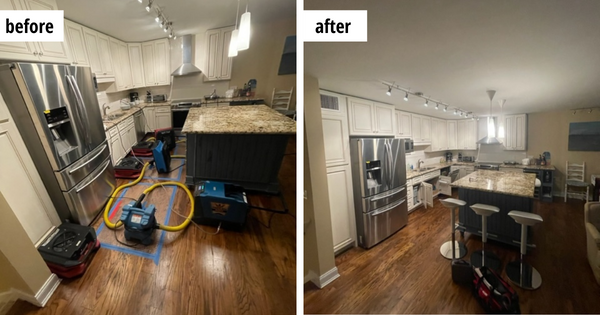
structural drying process begins. This includes air movers and dehumidification equipment. Drying typically takes several days and is essential to
prevent mold growth.
Because Florida has high humidity, drying may take longer. As a result, the
water damage drying cost may be slightly higher compared to other states.
Repair Costs for Walls, Floors, and Ceilings
After drying, repairs may be necessary. This is often where costs increase the most.
Drywall Repairs
Water damaged drywall may need to be removed and replaced. The cost to repair water damaged drywall depends on the extent of saturation.
Flooring Repairs
Floors can be severely affected by water. The cost to repair water damaged floors varies depending on the material. Hardwood flooring is more expensive to restore than tile or laminate.
Ceiling Repairs
Leaks from above can damage ceilings. The cost to repair water damaged ceiling areas depends on how long the water has been present.
You can learn more about these processes in our guide on
water damage restoration and related topics, like
what happens if water damage is left untreated.
Does Insurance Cover Water Damage Restoration Costs?
Insurance coverage is one of the most common concerns. Fortunately, many policies cover water damage under certain conditions.
Typically, homeowners insurance covers sudden and accidental water damage. For example, burst pipes or appliance leaks are often included.
However, damage caused by neglect or flooding may not be covered. In these cases, additional flood insurance may be required.
Because insurance policies vary, it’s important to review your coverage carefully. At
DRYOUTpro PLUS, we assist clients with the
insurance claims process to make it easier.
Does Insurance Cover Water Damage Restoration Costs?
Insurance coverage is one of the most common concerns. Fortunately, many policies cover water damage under certain conditions.
Typically, homeowners insurance covers sudden and accidental water damage. For example, burst pipes or appliance leaks are often included.
However, damage caused by neglect or flooding may not be covered. In these cases, additional flood insurance may be required.
Because insurance policies vary, it’s important to review your coverage carefully. At
DRYOUTpro PLUS, we assist clients with the
insurance claims process to make it easier.
Does Insurance Cover Water Damage Restoration Costs?
Insurance coverage is one of the most common concerns. Fortunately, many policies cover water damage under certain conditions.
Typically, homeowners insurance covers sudden and accidental water damage. For example, burst pipes or appliance leaks are often included.
However, damage caused by neglect or flooding may not be covered. In these cases, additional flood insurance may be required.
Because insurance policies vary, it’s important to review your coverage carefully. At
DRYOUTpro PLUS, we assist clients with the
insurance claims process to make it easier.
Final Thoughts on Water Damage Restoration Cost
The cost of water damage restoration in Florida depends on many factors. However, understanding pricing helps you make informed decisions.
In most cases, costs range from
$1,200 to $7,500, depending on severity. Acting quickly and hiring professionals can reduce expenses and protect your property.
If you want a deeper understanding of timelines, check our guide on
how long water damage restoration takes.
Frequently Asked Questions (FAQs)
1. How much does water damage restoration cost in Florida?
Water damage restoration in Florida typically costs between $1,200 and $7,500+. The final price depends on the extent of damage, type of water, and materials affected. Severe flooding or structural damage can significantly increase costs.
2. What is the average cost per square foot for water damage cleanup?
The average water damage cleanup cost ranges from $3 to $7 per square foot. Costs may increase if the damage involves contaminated water or requires specialized drying and sanitation equipment.
3. Does homeowners insurance cover water damage restoration costs?
Homeowners insurance usually covers sudden and accidental water damage, such as burst pipes. However, flooding or long-term leaks may not be covered. It’s important to review your policy for specific coverage details.
4. What factors affect water damage restoration cost?
Key factors include the type of water (clean, gray, or black), extent of damage, affected materials, and drying time. Additional costs may come from repairs, mold remediation, and the use of professional equipment.
5. How can I reduce water damage restoration costs?
You can reduce costs by acting quickly, addressing leaks immediately, and hiring professionals for proper water extraction and drying. Early intervention prevents mold growth and minimizes structural damage, lowering overall repair expenses.
Get Fast & Affordable Water Damage Restoration Today
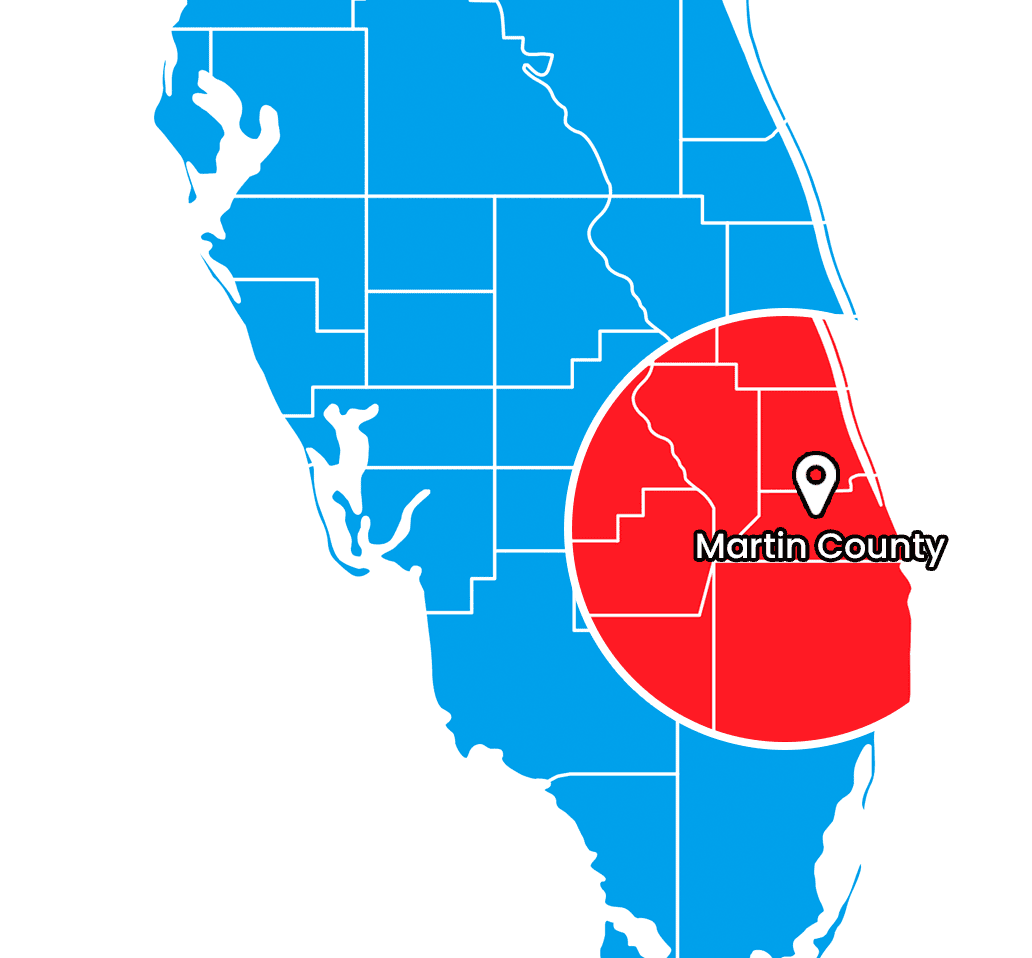
Water damage can quickly become a serious problem. That’s why DRYOUTpro PLUS offers fast, reliable, and affordable water damage restoration services across Florida.
Our team uses advanced
moisture detection, water extraction, and structural drying equipment to restore your property efficiently. We also help you navigate insurance claims to reduce your out-of-pocket costs.
Don’t wait until the damage gets worse.
Contact DRYOUTpro PLUS today for a free estimate and immediate assistance.