Do Florida Home and Business Owners Need to Worry About Winter Water Damage?
November 12, 2025
When people think about water damage in Florida, it’s usually in the context of summer storms, hurricane season, or heavy tropical rainfall. Winter? Not so much. Most assume the cooler months are a break from the weather worries, but the truth is, winter can still pose serious water damage risks, even in the Sunshine State.
At DRYOUTpro PLUS, we’ve seen firsthand how a drop in temperature, a quick-moving cold front, or a series of heavy winter rains can turn into major issues for homes and businesses. Water damage doesn’t take a season off, and winter just brings a different set of challenges that property owners need to be aware of.
Let’s break it all down: what causes winter water damage in Florida, what it looks like, how to prevent it, and what to do if it happens to you.
KEY TAKEAWAYS
- Florida homes and businesses can experience frozen or burst pipes during winter cold snaps.
- Wind-driven rain and winter storms can cause roof leaks, drainage issues, and foundation damage.
- Poorly insulated plumbing and unsealed exterior openings increase winter water risks.
- Common signs of winter water damage include musty smells, damp spots, stained ceilings, and high water bills.
- Preventative maintenance like gutter cleaning, pipe insulation, and sealing can help you avoid costly damage.
- Quick response to small leaks or moisture issues prevents larger structural or mold problems down the road.
- Winter water damage may be hidden, making early detection and
professional inspection especially important.
Why Winter in Florida Isn’t as Harmless as You Think
Yes, Pipes Can Freeze — Even in Florida
While Florida rarely experiences deep freezes, there are occasional cold snaps where temperatures dip below freezing overnight. Many Florida homes and commercial buildings were built with warm weather in mind, so pipes are often left exposed or run through uninsulated areas like attics, garages, or exterior walls.
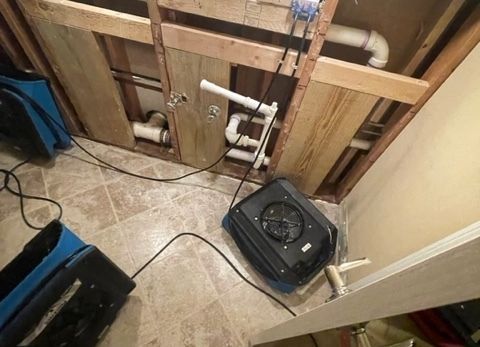
When water freezes inside those pipes, it expands, and that expansion can lead to cracks or even full-on bursts. As temperatures begin to warm up again, the real trouble begins. Water starts leaking through those cracks, often behind walls or under flooring, where it can go unnoticed for days or weeks. Before you know it, you’ve got hidden moisture, structural damage, and the perfect environment for mold growth.
Winter Rainstorms and Wind-Driven Rain
Winter storms in Florida don’t always make the headlines, but they can bring heavy downpours, gusty winds, and extended periods of wet weather. Unlike summertime thunderstorms that pass quickly, winter storms can linger, and that extra rainfall adds up fast.
If your gutters are clogged, downspouts are misaligned, or your yard has poor drainage, that water can pool around your foundation or seep into your crawlspace. Strong winds can push rain under roof shingles, through cracked seals around windows and doors, or even into wall cavities. If your roof is aging or hasn’t been inspected recently, those hidden vulnerabilities can become major entry points for water.
Built for Warmth, Not for Winter
Florida homes and buildings are often constructed with ventilation and heat control in mind, not cold weather protection. While that’s great for year-round airflow and energy efficiency, it’s not so great when the temperature unexpectedly drops or the rain won’t let up.
Many homes have HVAC lines, plumbing, and even electrical components installed in areas that are more exposed than you’d find in northern states. That makes those systems more vulnerable to winter
water damage, especially if routine maintenance has been skipped or small issues have been overlooked.
Common Winter Water Damage Scenarios We See in Florida
At DRYOUTpro PLUS, winter calls often come in after a homeowner or business owner notices a musty smell, damp carpet, a stained ceiling, unusually high water bills, or that something just doesn’t feel right. Here are a few of the most common problems we respond to during the winter months:
- Frozen pipe leaks: A cold night causes an exposed pipe in a garage wall to freeze and crack. Days later, the leak is discovered after water has soaked through the drywall and floorboards.
- Gutter overflow: Leaves and debris clog the gutters, and a steady rainstorm causes water to overflow and run down the exterior walls, eventually leaking into the crawlspace or foundation.
- Poor sealing around doors/windows: Wind-driven rain sneaks in through gaps around a sliding glass door, soaking the baseboard and damaging nearby flooring.
- Roof leaks from wind and rain: Older roofs or missing shingles allow water to drip into the attic, slowly damaging insulation and causing mold to form on ceiling drywall.
The common thread in all of these cases? They’re preventable. And early action always costs less than cleanup and repairs after the fact.
What Florida Property Owners Can Do to Prevent Winter Water Damage
You don’t need to panic every time the weather forecast calls for cooler temperatures or rain, but you should take a few simple steps to prepare your home or business for the winter season. Here's how:
Insulate Vulnerable Pipes
If you have pipes in unconditioned areas like the garage, attic, or outdoor walls, consider insulating them with foam sleeves or wraps. It’s a low-cost upgrade that can save you thousands in potential damage.
Clean Your Gutters
Clear out leaves, twigs, and debris from gutters and downspouts before winter storms roll in. Make sure water can flow freely and is being directed away from your foundation.
Check Seals Around Windows and Doors
Walk around your home or building and inspect seals, weatherstripping, and thresholds. Reseal or repair any areas where air or moisture could get through.
Inspect the Roof
Look for loose or missing shingles, flashing issues, or signs of wear and tear. If it’s been a while since your last inspection, consider hiring a roofing professional for a winter checkup.
Drain Outdoor Plumbing
If you have irrigation systems, pool lines, or exterior hose bibs that won’t be in use during winter, shut them off, drain the lines, and cover the spigots to prevent freezing.
Monitor for Hidden Leaks
Pay attention to musty smells, sudden spikes in your water bill, or unexplained damp spots. If you notice anything unusual, don’t wait. The sooner you catch a leak, the easier it is to fix.
Why Winter Water Damage Can Be More Dangerous Than You Think
One of the biggest dangers of winter water damage is that it often goes undetected. Unlike a major storm that floods a basement or shatters a window, winter damage tends to happen slowly. A small leak behind a wall or in an attic might not show signs for weeks, but by then, mold may already be growing, wood may be rotting, and structural materials could be compromised.
For businesses, even minor water damage can interrupt operations. Inventory can be ruined, electrical systems can be shorted, and if customers or employees are put at risk, liability becomes a real concern.
Winter water damage also tends to happen when people are less focused on maintenance. As the weather gets cooler, folks start traveling for the holidays, and we're all doing fewer outdoor tasks, it's easy to miss small issues that can quickly turn into major headaches.
Don’t Wait for Winter Water Damage to Strike. We’ve Got You Covered
At DRYOUTpro PLUS, we’ve been helping Florida homeowners and business owners navigate the unexpected for years. Whether it’s a burst pipe on a cold morning or water damage from a surprise winter storm, we’re ready to step in with expert solutions, fast response, and restoration services you can trust.
Our team is here to protect what matters most, restore your peace of mind, and make sure a little Florida winter never turns into a big problem. If you’ve noticed signs of water damage, want help winter-proofing your property, or need an inspection after a cold snap or rain event,
give us a call.