Mold After a Storm: Why Mold Grows Fast & How to Prevent It | Dry Out Pro
December 17, 2025
Mold After Storm Damage: Causes, Risks, and Prevention Tips for Florida Homes
Storms are an unavoidable part of life in Florida. From tropical storms and hurricanes to heavy seasonal rain, stormwater intrusion can quickly cause water damage inside homes. What many homeowners don’t realize is that mold growth after storm damage often begins silently—behind walls, under floors, and inside insulation—long before visible signs appear.
At Dry Out Pro, we specialize in storm damage restoration South Florida homeowners rely on, including professional mold remediation, water damage restoration, and emergency mold removal.
In this guide, we explain why mold grows so fast after storms, how to recognize early warning signs, and what steps homeowners should take immediately to prevent serious mold problems.
KEY TAKEAWAYS
- Mold can begin growing within 24–48 hours after stormwater intrusion
- Storm damage creates ideal conditions for mold due to the moisture trapped in walls and flooring
- Flooding and stormwater often cause hidden water damage that homeowners can’t see
- Early water extraction services and drying are critical to preventing mold
- Professional mold remediation is the safest and most effective solution after storm damage
- Acting quickly protects your health, your home, and your insurance claim
Why Mold Grows Fast After Storm Damage
Florida’s warm temperatures and high humidity already create a mold-friendly environment. When storms hit, those conditions intensify.
Why Mold Grows Fast After Storms
- Mold only needs three things to grow:
- Moisture
- Warmth
- Organic materials (drywall, wood, carpet, insulation)
Storm damage introduces all three almost instantly.
Common storm-related causes include:
- Flooding from heavy rainfall
- Hurricane storm surge
- Roof damage allowing water intrusion
- Overflowing gutters and drainage systems
- Cracks in foundations or windows
Once moisture enters the home, moisture trapped in walls and flooring becomes a breeding ground for mold spores.
How Fast Mold Grows After Storm Flooding
One of the most common questions homeowners ask is how fast mold grows after storm flooding.
Typical Mold Growth Timeline
- 0–24 hours: Materials become saturated; humidity spikes
- 24–48 hours: Mold spores begin colonizing damp surfaces
- 48–72 hours: Mold growth accelerates and may become visible
- 72+ hours: Mold spreads aggressively through walls, HVAC systems, and insulation
This rapid timeline is why professional water extraction services and drying must begin immediately after stormwater intrusion.
Signs of Mold After Flooding or Storm Damage
Mold doesn’t always appear as black spots on walls. Many cases remain hidden for weeks.
Common Signs of Mold After Flooding
- Persistent musty odors
- Discoloration on walls, ceilings, or baseboards
- Warped or bubbling drywall
- Soft or damp flooring
- Increased allergy or respiratory symptoms
- Visible mold growth around vents or cabinets
If you notice any of these warning signs,
emergency mold removal may already be necessary.
Learn more about our mold services here.
What Homeowners Should Do After Stormwater Intrusion
Knowing what homeowners should do after stormwater intrusion can significantly reduce the risk of mold.
1. Prioritize Safety
Avoid standing water if electricity is on
Shut off power to affected areas if safe
Keep children and pets away
2. Document the Damage
Take photos and videos of:
Flooded areas
Water lines on walls
Damaged materials
This documentation supports insurance claims.
3. Call a Professional Restoration Company
DIY drying is rarely enough after storms. Professional storm damage cleanup ensures that moisture is entirely removed—not just what’s visible.
Dry Out Pro provides:
- Flood damage restoration Florida homeowners trust
- Storm damage restoration South Florida
- Emergency water extraction services
Steps to Stop Mold Growth After Water Damage
Stopping mold requires eliminating moisture quickly and thoroughly.
Immediate Steps Homeowners Can Take
- Remove standing water if safe
- Increase ventilation
- Remove saturated materials when possible
- Avoid using heat, which can accelerate mold growth
However, these steps only slow mold—they don’t eliminate it.
Why Professional Drying Is Essential
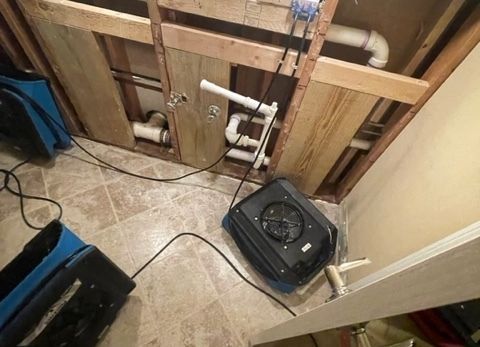
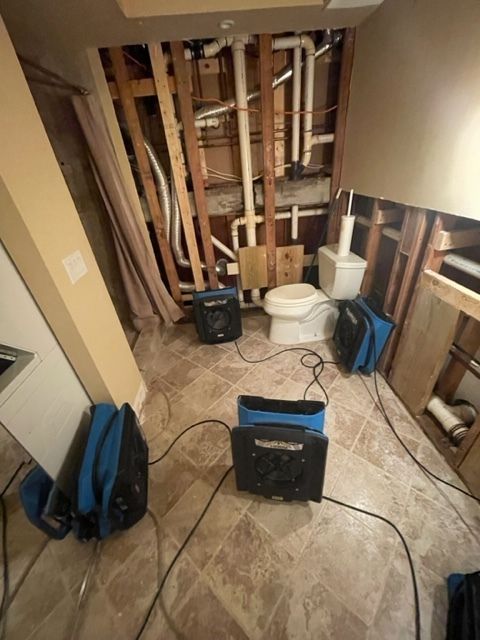
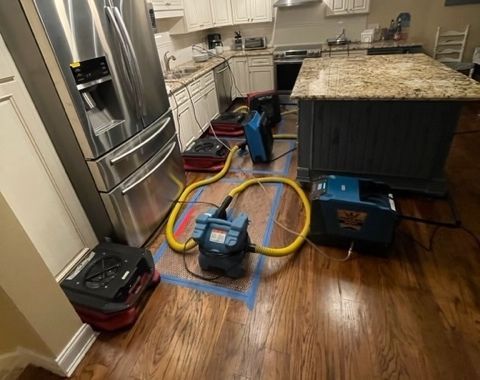
- Hidden moisture inside walls and floors requires:
- Industrial dehumidifiers
- High-velocity air movers
- Moisture meters and thermal imaging
This is why professional
water damage restoration is critical after storm damage.
How Professionals Remove Mold After Storm Damage
Understanding how professionals remove mold after storm damage helps homeowners know what to expect.
Professional Mold Remediation Process
- Inspection & Moisture Detection
- We locate hidden moisture using advanced tools.
- Containment
- Prevents mold spores from spreading.
- HEPA Air Filtration
- Captures airborne mold spores.
- Mold Removal Services
- Safely remove contaminated materials.
- Antimicrobial Treatment
- Prevents future mold growth.
- Structural Drying & Repairs
- Ensures moisture is eliminated.
Dry Out Pro
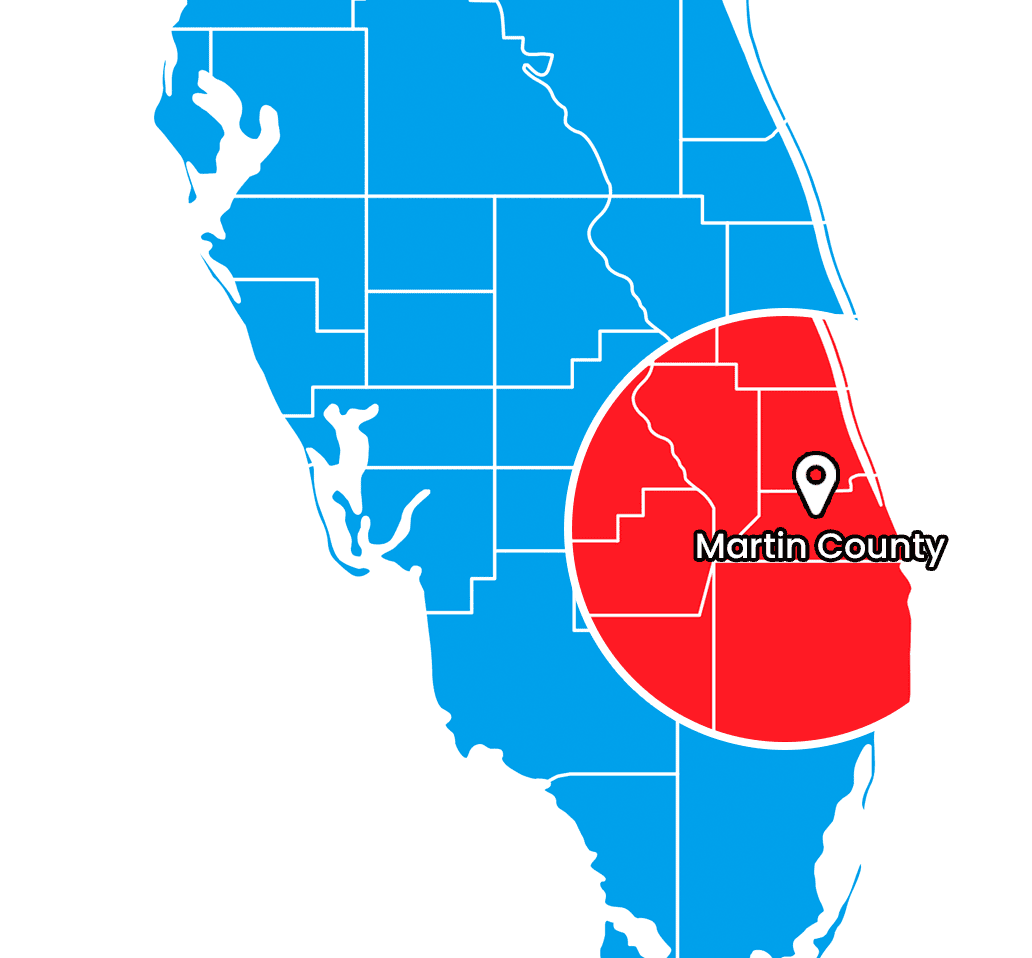
offers certified mold remediation Port St. Lucie and throughout South Florida.
Why Mold Removal Should Never Be a DIY Project
DIY mold cleanup often:
- Spreads spores into clean areas
- Leaves moisture behind
- Fails to address the root cause
- Puts homeowners at health risk
Professional mold removal South Florida services ensure mold is removed safely, completely, and permanently.
Storm Damage Restoration in South Florida
Storm damage doesn’t end when the rain stops. Mold growth, structural decay, and air quality issues often follow.
Dry Out Pro provides:
- Storm damage restoration South Florida
- Flood damage restoration Florida
- Emergency mold removal and remediation
- Full water damage restoration services
Explore our storm damage services here.
Preventing Mold After Future Storms
While storms can’t be avoided, mold growth often can.
Prevention Tips
- Fix roof and window leaks immediately
- Maintain gutters and drainage systems
- Keep indoor humidity below 50%
- Inspect your home after heavy storms
- Schedule professional moisture inspections
- Early detection saves thousands in restoration costs.
Frequently Asked Questions (FAQs)
1. Why does mold grow so fast after storms in Florida?
Florida’s warm temperatures and humidity create ideal conditions for mold. Storms introduce moisture that becomes trapped in walls, flooring, and insulation. Mold spores naturally exist in the air and begin growing within 24–48 hours once moisture is present, especially after storm damage or flooding.
2. How fast does mold grow after storm flooding?
Mold can begin growing within 24 hours and spread rapidly within 48 to 72 hours. After storm flooding, moisture often reaches hidden areas, allowing mold to expand unnoticed unless professional drying and remediation are performed.
3. What are the first signs of mold after storm damage?
Early signs include musty odors, discoloration on walls or ceilings, bubbling paint, warped flooring, and increased allergy symptoms. Visible mold typically appears later, once growth has already established itself.
4. Can water damage restoration prevent mold growth?
Yes. Immediate water extraction services, structural drying, and dehumidification are the most effective ways to stop mold growth after storm damage. Delayed restoration significantly increases mold risk.
5. When should I call for emergency mold removal?
Call immediately if water damage occurred more than 24–48 hours ago, you smell musty odors, see visible mold, or experience health symptoms. Emergency mold removal prevents the further spread of mold and protects indoor air quality.
Protect Your Home After the Storm: Call Dry Out Pro for Professional Mold Remediation & Storm Damage Restoration
If storm damage is not quickly repaired, it can result in the growth of toxic mold.
At Dry Out Pro, we provide fast, reliable mold remediation and storm damage restoration services that South Florida homeowners trust, along with comprehensive water damage restoration services.
Our certified team is ready to respond when storms strike.
Contact Dry Out Pro today to schedule emergency mold removal or storm damage cleanup